

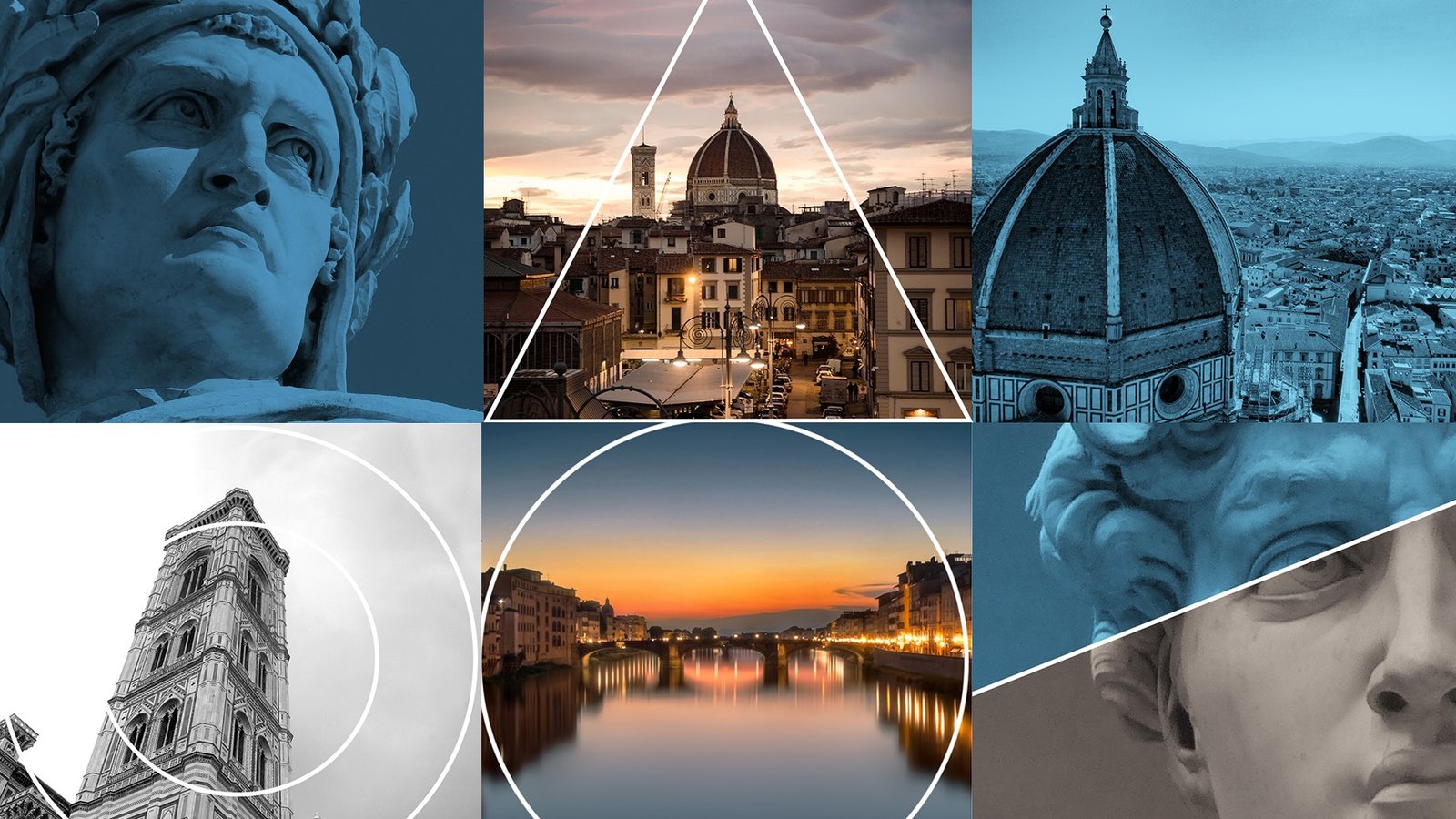
Responsible tourism in Florence: how to visit like a local
Florence welcomes millions of visitors every year to a historic centre that is also home to people who live, work and go to school there. Responsible tourism simply means enjoying the city in a way that protects what makes it special. The good news: the same choices usually lead to a better, more authentic trip.
Why responsible tourism matters in Florence
The historic centre of Florence has been a UNESCO World Heritage Site since 1982. Its streets, churches and squares were not designed for today’s visitor numbers, and the busiest areas can feel crowded for much of the year. Spreading visits across the seasons and the city, supporting local businesses and respecting everyday life all help keep Florence a living city rather than an open-air museum.
Visit outside the peak
- Travel off-season. November to March (outside the holidays) brings fewer crowds, lower prices and a calmer city. Many museums are easier to enjoy in winter.
- Choose quieter hours. Visit the main sights at opening time or in the late afternoon, when tour groups have moved on.
- Stay longer. A longer stay at a slower pace means less rushing between sights, and you’ll get to know one neighbourhood properly.
Look beyond the famous sights
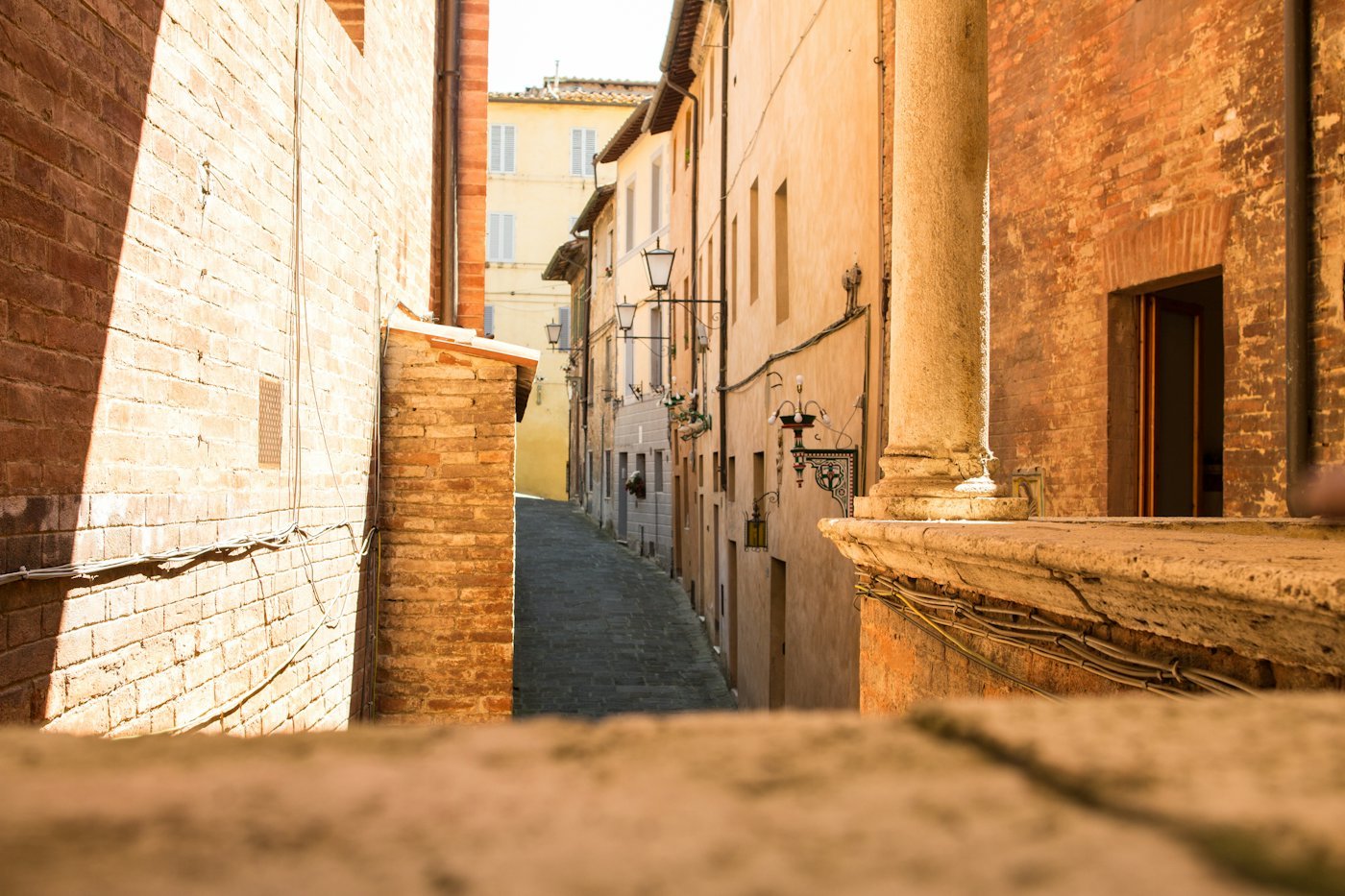
The Duomo and the Uffizi deserve their reputation, but some of Florence’s best experiences are a short walk away from them:
- The Oltrarno: artisan workshops, Santo Spirito and San Frediano.
- San Miniato al Monte: one of the most beautiful churches in the city, above Piazzale Michelangelo.
- The Bardini Garden: terraced gardens with views over the city, quieter than Boboli.
- The Cascine park: where Florentines walk, run and cycle along the Arno.
- Fiesole and Settignano: hill villages a short bus ride away, with views over the valley.
Eat and shop locally
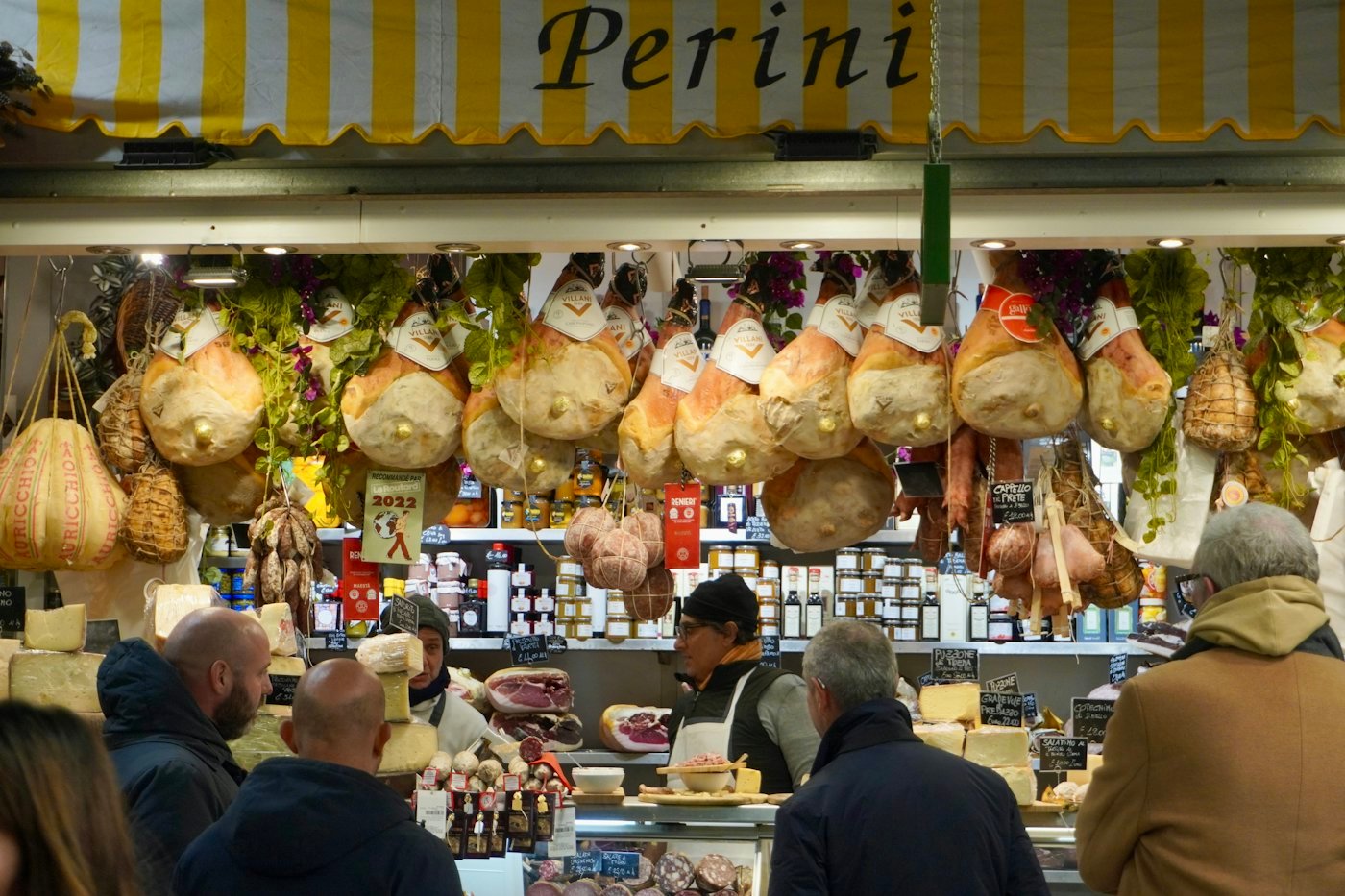
Choosing family-run trattorias, neighbourhood markets and independent artisans keeps your money in the local economy and gets you better food and better souvenirs.
- Eat with the seasons. Try Tuscan classics such as ribollita, pappa al pomodoro, bistecca alla fiorentina and, if you’re curious, lampredotto from a street kiosk.
- Shop at the markets. Sant’Ambrogio and the Mercato Centrale are where locals buy fresh produce.
- Buy handmade. Look for workshops where you can see the work being done: leather, marbled paper, jewellery and picture frames. Ask where items are made.
- Refill your bottle. Florence has public water fountains around the city, so carry a reusable bottle instead of buying plastic.
Get around on foot
The centre of Florence is compact and best seen on foot. For longer distances, use the tram, buses or a bicycle, and leave the car for day trips into the countryside. Much of the centre is a limited traffic zone (ZTL), and driving into it without a permit can lead to a fine.
Staying in an apartment with a kitchen is a small but real way to travel more lightly: you can shop at the market, cook with local ingredients and reduce single-use packaging. Read our guide on where to stay in Florence for neighbourhoods with a local feel.
Respect the city’s rules and rhythms
- Dress for churches. Covered shoulders and knees are expected in churches and the cathedral.
- Don’t sit or eat on monuments. Church steps and fountains are not picnic spots, and some streets have rules against eating on the pavement.
- Keep the noise down at night. Remember that many people live in the historic centre.
- Follow the rules on recycling. Separate your rubbish as your host explains; it matters in a busy city.
- Learn a few words of Italian. A simple buongiorno, per favore and grazie goes a long way.
Our approach
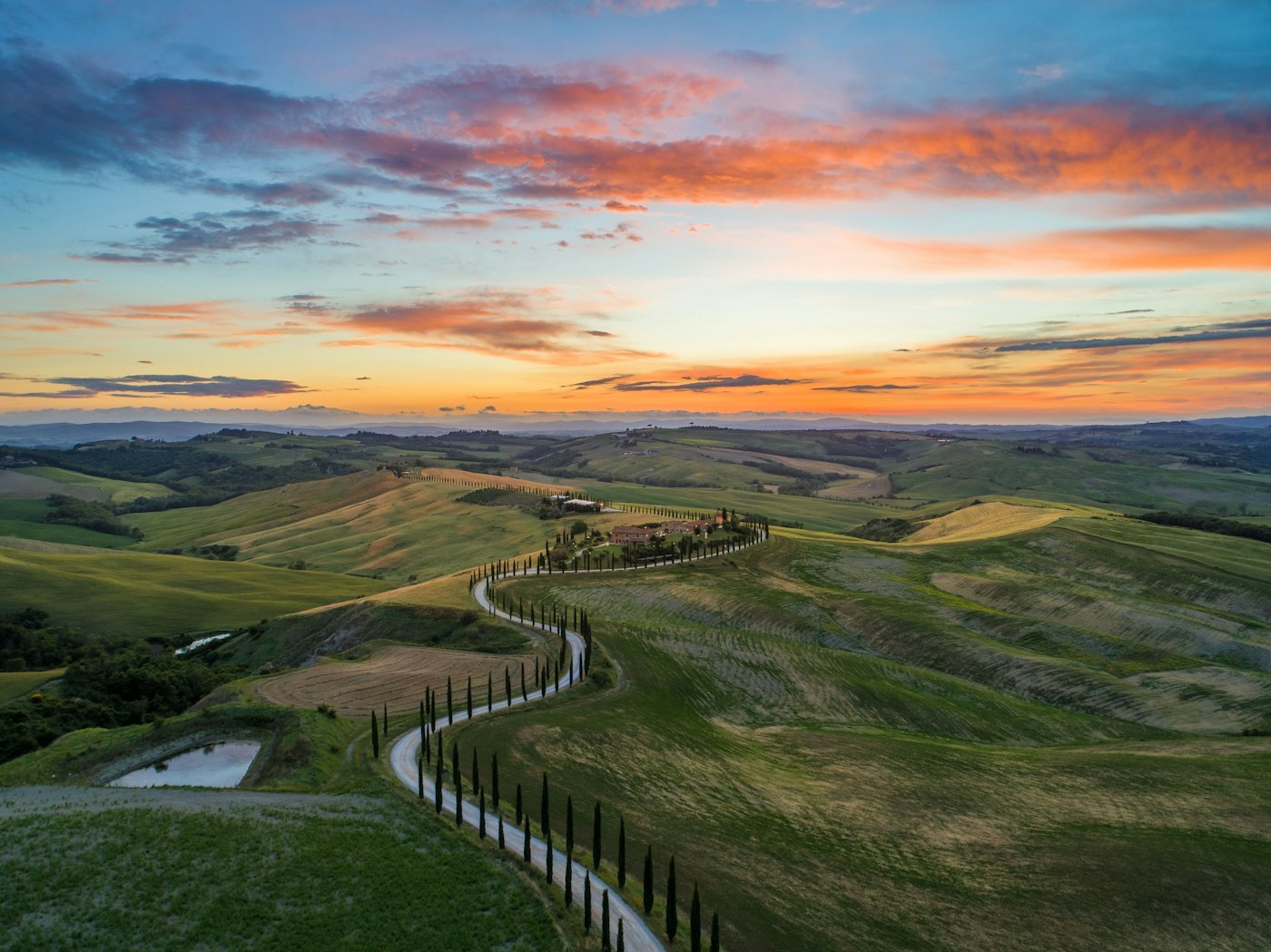
At Florence Accommodation Apartments, our motto is Responsible tourism, real experiences. We encourage a conscious, respectful way of travelling, share local recommendations with every guest and arrange tours and transfers that help you discover more of Florence and Tuscany. You can read more about our values.
Frequently asked questions
What is the least crowded time to visit Florence?
November to March, outside Christmas, New Year and Easter, is usually the quietest time. Early mornings and late afternoons are calmer at any time of year.
Is the tap water safe to drink in Florence?
Yes, tap water in Florence is safe to drink, and there are public water fountains around the city where you can refill a bottle.
What should I wear to visit churches in Florence?
Cover your shoulders and knees. A light scarf or shawl is an easy solution in summer.
Is there a tourist tax in Florence?
Yes. Florence charges a city tourist tax per person per night, usually paid at your accommodation. The amount depends on the type of accommodation.
Comments